The Wildflower Inn
Lyndonville, 2.3 miles to Kingdom Trails
Offers bike rentals and a bicycle shuttle, and sits 2.3 miles from Kingdom Trails.
Check ratesVermont has one of the densest dirt-road networks in the East, and gravel riding has grown into the state's most distinctive way to ride it. Here is what the terrain, the operators, the rules and the season actually look like.
Short answer
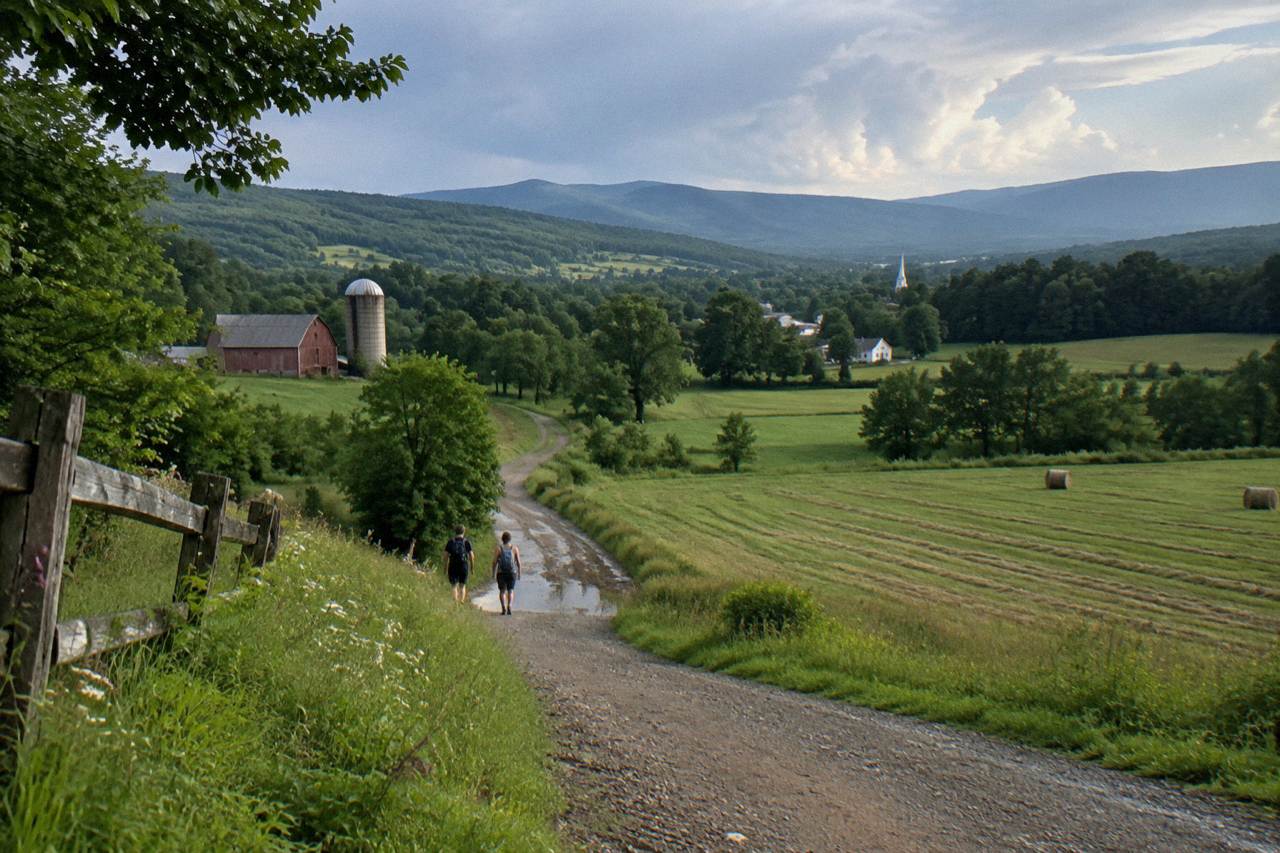
Gravel riding in Vermont means thousands of miles of unpaved town highways, mostly firm packed gravel under a 3 percent rail-trail grade or rolling farm terrain, ridden from late spring through foliage season. Guided and self-guided trips exist from operators like VBT Bicycling Vacations, and independent riders plan routes around towns like Woodstock, Lyndonville and Middlebury.
Vermont carries more unpaved town highways than most states carry backroads of any kind. The legal term is a class 4 road, and gravel riders have spent a decade turning that quiet administrative label into a riding culture: farm valleys, folded green hills, covered bridges, and a surface that is usually packed dirt rather than the loose ballast people picture when they hear gravel. The scene is real, the roads are public, and the barriers to entry are lower than almost anywhere else in the East.
This guide covers what gravel riding in Vermont actually involves: the terrain and how hard it is, where the recognized riding areas sit, how guided and self-guided trips work, what the law says about e-bikes on dirt, and where to sleep so the first mile of gravel starts outside the door. Nothing here is bookable through this site; it is a planning resource, and where an operator is named, you book with that operator directly.
Gravel riding in Vermont is cycling on the state's network of unpaved town highways and forest roads, usually on a drop-bar bike with wide tires. The state's class 4 roads and rail trails give riders firm packed gravel, rolling terrain and very light traffic, and the riding style sits between road cycling and mountain biking: no singletrack technicality, but more texture and climbing than a paved rail trail. It is the fastest growing way to ride the state. For a broader look at rides beyond gravel, our roundup of the best bike rides in Vermont by style covers rail trails, road loops and singletrack with tips on where to stay and when to ride.
The core of it is legal and infrastructural. Vermont towns still maintain thousands of miles of dirt and gravel highway, roads that were never paved because too few people lived on them to justify it. A cyclist on those roads gets what a driver avoids: no painted center line, no shoulder debate, speeds set by surface rather than signage. The surface itself is mostly hardpacked crushed stone over clay, which rides fast after dry weather and softens after rain, so tire choice and timing matter more than fitness in the first week of riding here.
What surprises most visitors is how continuous the network feels. A route can leave a village green on pavement, cross a bridge, and spend the next two hours touching pavement only at farm driveways. Because the roads were laid out for horses and milk trucks rather than cars, the grades are moderate and the bends are frequent, which keeps the scenery changing and the descents honest without ever feeling alpine. The Vermont Biking Tours guide library treats gravel as one of the four main ways to ride the state, alongside road, rail trail and mountain bike destinations, and this page is the deep end of that conversation.
The culture around it is worth knowing too. Riders here tend to be self-sufficient: frame bags, two bottles, a paper cue sheet from a local bike shop. Events have grown up around the roads rather than the other way round, and shops in the small towns have learned to expect a bike with wide tires leaning outside the general store. Nobody checks your equipment at the town line, but a bike built for the surface will enjoy the day far more than one that is not.
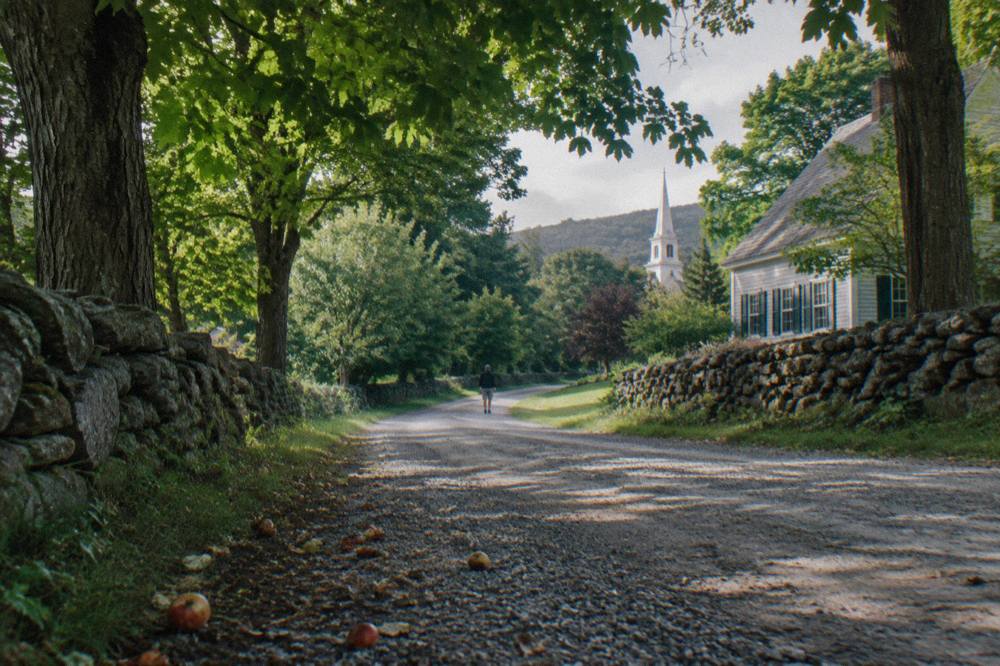
The recognized gravel hubs are Woodstock and the Mount Tom carriage roads in the center, the Northeast Kingdom around Lyndonville and Burke, the Middlebury area of Addison County, and the southern towns around West Windsor and Grafton. Each pairs a dense dirt-road network with a village that has food, a bike-minded shop scene and places to stay, and each has a different character of terrain.
Woodstock is the classic starting point. The village sits inside a web of class 4 roads and farm loops, and the Mount Tom carriage roads add a car-free gravel spine right above town, so a rider can put together a full day that barely touches pavement. The carriage roads are wide, graded and shaded, which makes them the confidence builder for anyone new to the surface before heading onto the town highways.
The Northeast Kingdom, around Lyndonville and Burke, is the wilder option. This is Kingdom Trails country, a mountain bike destination first, but the surrounding towns hold long gravel stretches with bigger views and fewer services, and the riding season runs alongside the foliage draw that fills the region each fall. Addison County around Middlebury is the flatter, faster counterweight: farm country west of the Green Mountains, where the dirt roads run long and straight between corn fields and the climbing comes in short steps rather than long ramps.
Southern Vermont, from West Windsor through Grafton and Peru, holds the hardest gravel in the state, with sustained climbs on narrow woods roads, and it is where the best known of the gravel events takes place. For a fuller comparison of how these surfaces stack up against pavement and singletrack, see the companion page on road, gravel and e-bike choices, and for the mountain bike side of the Kingdom, the Kingdom Trails riding guide covers that network in detail.
| Area | Base town | Terrain character | Best for |
|---|---|---|---|
| Woodstock and Mount Tom | Woodstock | Carriage roads plus rolling farm dirt | First gravel trip, mixed ability groups |
| Northeast Kingdom | Lyndonville, East Burke | Remote dirt, bigger climbs, forest | Riders wanting solitude and foliage |
| Addison County | Middlebury | Long straight farm roads, gentler grades | Speed, beginners, e-bike gravel |
| Southern mountains | West Windsor, Grafton, Peru | Steep pitches, narrow woods roads | Experienced gravel riders |
Most Vermont gravel is moderate: grades rarely exceed what a road rider expects, the surfaces are firm more often than loose, and the difficulty comes from accumulation, the back to back rolling miles, not from any single climb. The exceptions are the southern mountain roads, where pitches are steep and the surface can be rough, and any route after heavy rain, when clay sections soften and traction drops. Fitness for a hilly road ride covers most of it.
The honest way to plan is by surface and steepness together. A typical central Vermont loop alternates half mile climbs with fast descents, and the gravel holds a line at speed as long as it is dry. The southern event roads are a different discipline: grades steep enough that traction, not lungs, becomes the limiter on the way up, and descent lines need reading rather than reacting. Riders coming from road cycling should budget for average speeds a few miles per hour slower than pavement for the same effort, and treat the first hour as calibration.

The other difficulty variable is services. Central and Addison County routes pass general stores often enough that carrying two bottles is fine. Kingdom and southern routes can go twenty miles or more without a store, so a filter or a full third bottle is not paranoia, it is the difference between a good day and a long one. Cell coverage follows the same pattern: strong near villages, absent in the folded terrain between them.
Guided trips put a leader, a sag vehicle and often luggage transfer on a planned route, and suit riders who want company or mechanical backup. Self-guided trips give you a route, booked inns and luggage moved between them while you ride alone or in your own group. In Vermont both formats exist from a small set of established operators, you book directly with the operator, and this site neither runs nor resells any trip.
On the operator landscape: VBT Bicycling Vacations is a well established name in the state and runs supported trip formats across Vermont's riding regions, and riders can read the current VBT trip lineup on the operator's own site. Great Bike Tours, Lamoille Valley Bike Tours and Vermont Mountain Bike Tours are additional operators working in the state, named here so you know the field; contact each directly, since trip formats and prices change and none are quoted here. Local Motion, the Burlington based cycling nonprofit, is less a tour operator than an infrastructure and rental body, running the Trailside Center at 1 Steele Street with conventional, Class 1 e-bike, adaptive and kids bikes, and it publishes the riding conditions information that independent gravel planners lean on.
Choosing between the formats is mostly about failure modes. A guided trip absorbs the route finding, the mechanical problem at mile 40 and the weather call. A self-guided format assumes you can read a cue sheet, fix a flat and accept that the closing climb happens whether or not anyone is cheering. Gravel specifically tilts the choice toward guidance for first timers, because surface conditions turn good routes bad quickly and a local leader knows which valley washed out.
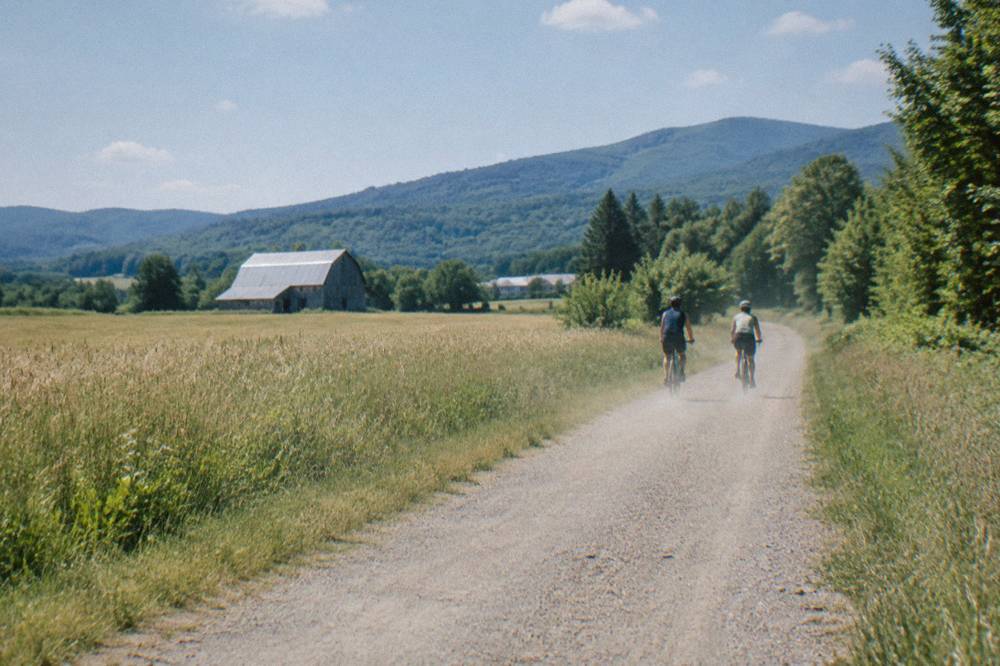
Questions worth asking any operator before booking: what tire width the provided bikes run, how much of each day's route is dirt versus pavement, what the luggage and meal arrangement is, and what happens if rain makes a route unrideable. The depth of that conversation, more than the brochure, tells you whether the operator actually rides the roads they sell. For the broader decision framework, the guide to choosing a Vermont bike trip walks through the same questions for every riding style, and the guided versus self-guided comparison does it head to head.
| Format | What is typically included | Best suited to |
|---|---|---|
| Guided group trip | Leader, planned daily routes, support vehicle, lodging, most meals | First gravel trip, solo travelers |
| Self-guided inn trip | Route package, booked lodging, luggage transfer, some meals | Couples, experienced riders |
| Independent planning | Your own route, lodging and logistics | Local riders, flexible schedules |
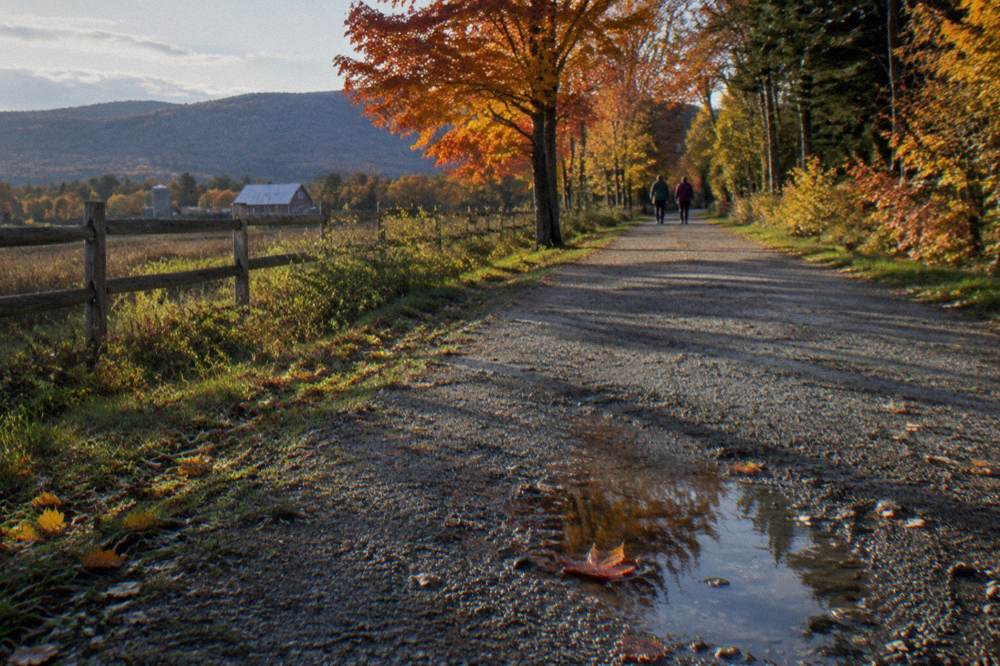
The gravel season runs from late spring, when the dirt roads have dried and been graded after mud season, through foliage season, with the sweet spot from June through late September to mid October. Foliage is the famous draw and the busiest window, but early summer offers the most reliable surfaces, and midweek riding at any point in the season beats the weekends for traffic on the popular roads.
Mud season is the thing to avoid. When the frost leaves the ground, Vermont's dirt roads soften deeply, towns post weight limits, and riding them does real damage, which is why locals treat it as a hiking month. Once the town graders have been through, the surface enters its long stable phase. Foliage, late September to mid October, adds the color everyone comes for, with the ridgelines turning earlier and the valleys holding green longer; the trade is more leaf driving traffic on numbered routes like Route 100, which gravel routing largely escapes because the dirt sees almost no through traffic. Timing the color by region is its own subject, and the best time to bike in Vermont page maps it out month by month. For riders who want the color without guessing at roads, our guide to Vermont fall foliage bike tours covers the routes, timing and costs.
Weather realism matters more on gravel than on pavement. An October day can start near frost and finish in shirt sleeves, and rain changes the surface within an hour. The practical pattern riders settle into: start mid morning once the valleys warm, carry a layer for the descents, and check the sky before committing to a southern mountain loop, because a wet steep gravel descent is the one place Vermont gravel genuinely bites.
The right base is a town sitting directly on the dirt-road network, so rides start from the door rather than a car park. Woodstock works for the central carriage roads and farm loops, Lyndonville puts you beside the Kingdom's remote gravel, and Middlebury anchors the Addison County flats. Booking an inn in the riding area turns a driving day trip into a two ride overnight, which is how most visitors end up structuring the trip.
In Woodstock, the Woodstock Inn & Resort sits in the village itself, which puts the carriage roads and the surrounding gravel loops within a short pedal of the front door, and the village location means dinner does not require driving either. Further north, the Wildflower Inn in Lyndonville offers bike rentals and a bicycle shuttle and sits 2.3 miles from Kingdom Trails, a genuinely useful combination for a mixed group where some riders want singletrack and others want the long dirt roads of the Northeast Kingdom.
Lyndonville, 2.3 miles to Kingdom Trails
Offers bike rentals and a bicycle shuttle, and sits 2.3 miles from Kingdom Trails.
Check ratesIn Addison County, the Swift House Inn in Middlebury gives you a walkable town at the end of the day and the county's farm gravel radiating outward from it. Wherever you base, the same rule applies: confirm the inn is comfortable storing bikes, and if it is not on a route, check how the first and last paved miles connect, because a bad quarter mile of numbered highway at rush hour can color a whole otherwise perfect gravel day.
Vermont's gravel calendar gives the scene its shape: Vermont Overland near West Windsor is the flagship, a 55 mile ride with roughly 7,000 feet of climbing that fills quickly, alongside events like the Knobby Rock grinder in Goshen, the Franklin Forty in Highgate, the Grafton Gran Fondo and the Fly to Pie ride in Coventry. All are rider-registration events rather than tours, and dates shift each year, so confirm on each event's own page before planning around one.
The event culture is worth understanding even if you never enter one, because event routes are public roads and make excellent templates. Organizers publish cue sheets and route files for roads they have ridden and vetted, which solves the hardest part of Vermont gravel planning: guessing which class 4 road is a lovely lane and which is a stream bed with delusions. Riding a past event route on your own schedule gets you the vetting without the entry fee.
The honest caveat: event status changes, fields sell out, and some rides rest or relocate between editions. Treat any event name here as a thread to pull rather than a fixture, and never build travel around a date you have not confirmed with the organizer. If a supported experience on a set date is what you actually want, that is the moment to talk to an operator about a guided trip instead.
| Event | Base town | Known for |
|---|---|---|
| Vermont Overland | West Windsor | Flagship distance, about 55 miles and 7,000 feet of climbing |
| Knobby Rock Gravel Grinder | Goshen | Compact grinder format, about 34 miles |
| Franklin Forty | Highgate | Northern flatland gravel, two distance options |
| Grafton Gran Fondo | Grafton | Multiple distances including gravel routes |
| Fly to Pie | Coventry | Northeast Kingdom gravel, multiple distances |
On public roads and state rail trails, e-bikes are broadly welcome: the Lamoille Valley Rail Trail explicitly allows them, and state law treats compliant machines as bicycles. On natural surface trails the picture tightens, since state land currently prohibits e-bikes on non-motorized singletrack while allowing them on roads and multi-use paths. For gravel specifically, most riding happens on town highways where e-bikes are legal, but check each land manager's rule before leaving the road.
The legal frame is a three-class system: Class 1 and Class 2 machines assist up to 20 mph, Class 3 up to 28 mph with a minimum operator age of 16, and all are treated as bicycles rather than motor vehicles. The practical gravel question is where the dirt sits in that framework. Town highways are roads in the legal sense, so a pedal-assist bike on a class 4 road is simply a bicycle on a road. The Vermont Mountain Bike Association publishes the state land picture, and the state's rail trail pages carry the LVRT rules, which allow e-bikes while prohibiting ATVs, dirt bikes and motorized scooters.
Gravel e-biking is genuinely good here, which is why it has its own following. The rolling terrain that taxes a rider over six hours becomes a sustainable day on pedal assist, and the surfaces are firm enough that wide tires handle them comfortably. Riders who want that assistance without owning a machine can find Class 1 rentals, including at Local Motion's Trailside Center in Burlington, though availability outside the cities is thinner, so call ahead to a shop in your riding area rather than assuming. The full rules breakdown lives on the Vermont e-bike and helmet rules page, and the trip-side view is in Vermont e-bike tours. For a fuller picture of where to find machines across the state, the shop-by-shop rental overview for Vermont covers road, e-bike, and gravel options by area.
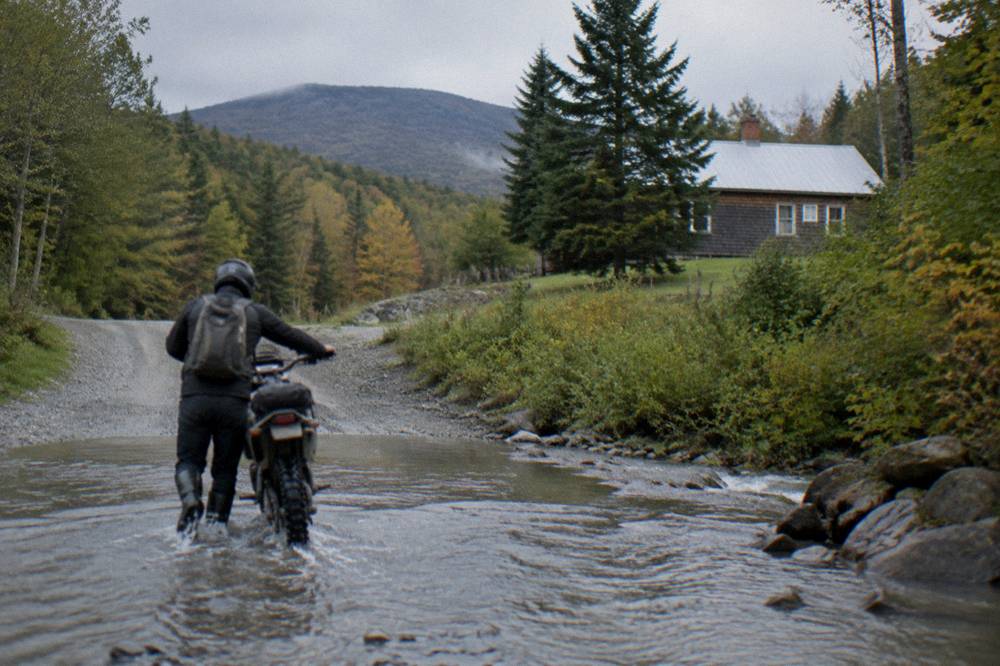
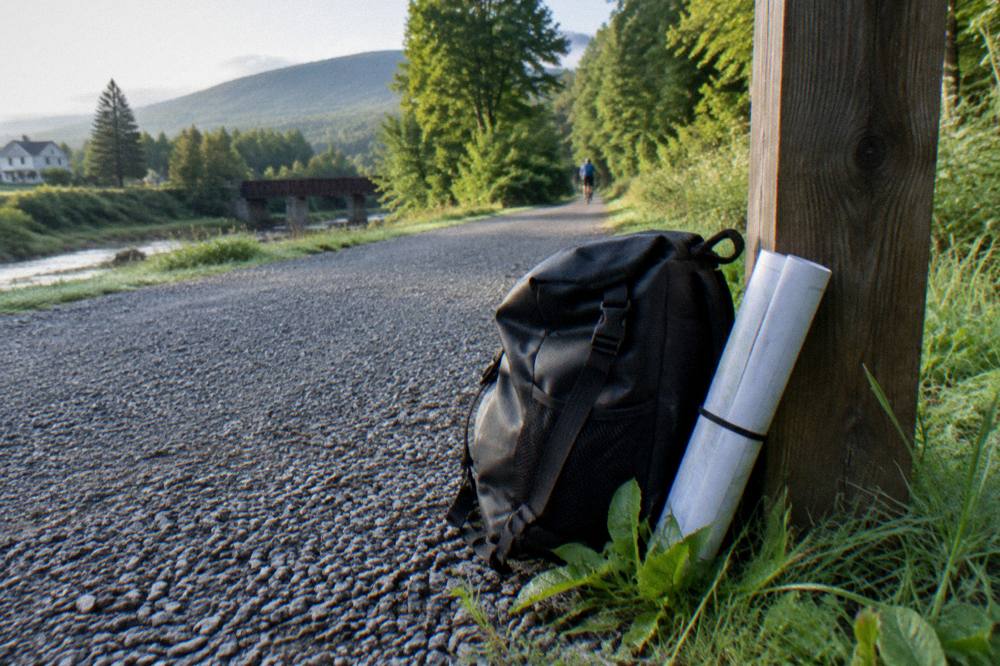
Bring a bike with room for wide tires, tubeless setup or spares suited to rough surfaces, more water than the map suggests, and the navigation means to follow unpaved roads that often lack signs. Clothing covers a wider temperature range than a road ride of the same length, and a paper backup for the route matters because cell coverage folds in the terrain where the best gravel sits.
The short list riders converge on: two bottles or a hydration pack, a hand pump rather than only cartridges, a plug kit and a spare tube even on tubeless, a multitool with a chain breaker, and food, because the general store you counted on closes at five. Tires are the real equipment decision. Firm central Vermont dirt is pleasant on mid-width gravel tires; the southern mountain roads reward the widest tires your frame allows and the low pressure that comes with them, especially wet. Lights matter more than beginners expect, both for the covered bridges, which are dark, and for the paved connectors between ride start and dinner. The full packing treatment, including what changes for inn to inn trips, is in the guide on what to bring on a Vermont bike trip.
Navigation deserves its own paragraph. Vermont gravel roads are legal roads with real names, but signage is inconsistent and junctions in the woods look alike. Most visiting riders use a GPS track file, and the ones who enjoy the day most also carry the cue sheet printed, because a dead battery at a five way junction of dirt roads is a rite of passage nobody needs twice. Route sources: past event files, shop routes, and the rail trail pages for the car-free spines.
| Item | Why it matters on Vermont gravel |
|---|---|
| Wide tires, tubeless if possible | Firm dirt on dry days, soft clay and washboard after rain |
| Hand pump plus plug kit and spare tube | Thorns and sharp stone are rare but real on class 4 roads |
| Three bottles or a filter on remote routes | Kingdom and southern routes can go twenty miles without a store |
| Printed cue sheet alongside GPS | Junctions repeat and cell coverage folds in hilly terrain |
| Layer for descents | Morning valleys near frost, climbs in shirt sleeves |
The most efficient Vermont gravel trip is a single base with three loop days: day one on the mellowest network near the inn, day two the long remote loop with the climb, and day three a short recovery ride on a rail trail or carriage road before driving home. Staying put removes the daily repack, lets the inn hold your bags, and means one bike shop relationship if something needs a part.
In practice, from Woodstock that pattern reads: a Mount Tom carriage road warm up with a farm loop, then a long day into the hills on either side of the valley, then an easy morning before the drive. From Lyndonville, the template pairs a Kingdom day, either singletrack or the surrounding dirt, with the long quiet roads north and east, plus a recovery spin. The same skeleton works from Middlebury in flatter form. Whichever base you choose, reserve the inn early for the foliage window, when the gravel towns fill with leaf travelers, and check trail and road status before each long ride, since maintenance and weather change conditions week to week. For the overnight version of this idea, the inn to inn bike trips page covers luggage transfer trips across the state.
Woodstock village
The village base for the Woodstock gravel loops and the Mount Tom carriage roads.
Check ratesNo, but tire clearance is the deciding factor. A road bike that fits wide tires handles the firm central Vermont dirt, while a mountain bike works too and simply rides slower on the connectors. A dedicated gravel bike is the comfortable middle for mixed routes.
The firm packed sections ride fine on wider road tires, and much of the network is graded town highway rather than rough track. After rain the clay softens, and the southern mountain roads stay rough at any time, so route choice matters more than bike choice on any given day.
Yes, if you start in the right places. The carriage roads at Woodstock and the Addison County farm loops are gentle introductions, and the Lamoille Valley Rail Trail gives a fully car-free gravel option at under a 3 percent grade. Save the southern mountain roads for later.
On town highways and rail trails, yes, compliant e-bikes are treated as bicycles, and the Lamoille Valley Rail Trail explicitly allows them. On natural surface trails on state land they are currently prohibited outside roads and multi-use paths, so the answer depends on which dirt you mean.
No. The roads are public and independent planning is normal here. Guided and self-guided trips from operators like VBT Bicycling Vacations add support, luggage handling and local judgment, and you book those directly with the operator, but plenty of riders build their own loops from event routes and shop advice.
Typically the dirt stabilizes in late spring once towns have graded after the thaw, and the season then runs through foliage. Late September to mid October brings the color, ridgelines turning before the valleys, with early summer the most reliable for surface quality.
Before you go, the pick for this guide:
Woodstock Inn & Resort
The village base for the Woodstock gravel loops and the Mount Tom carriage roads.
Check rates →