Swift House Inn
Middlebury
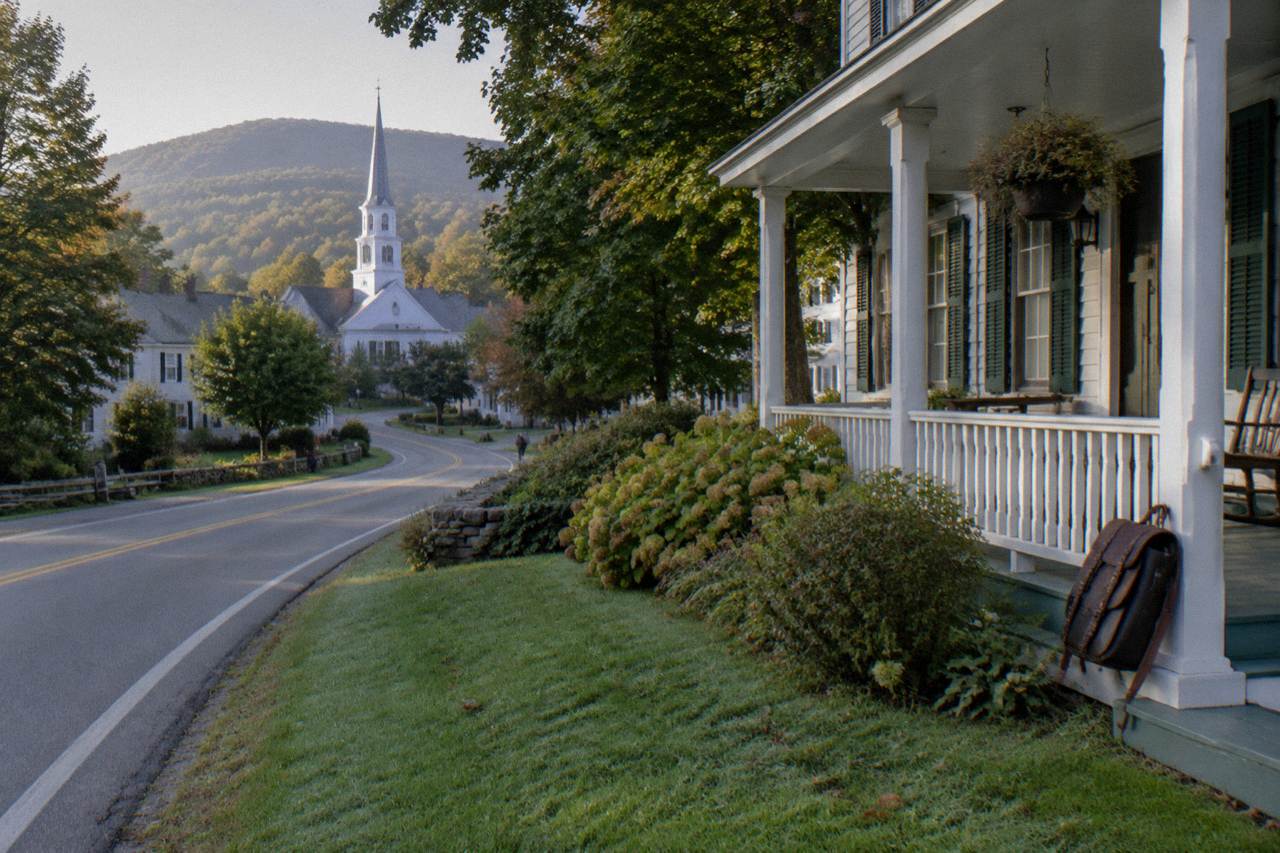
An inn in Middlebury, the town at the Trail Around Middlebury loop.
Check ratesAn inn to inn bike tour strings several days of riding together with a different bed each night, and Vermont's short town spacing makes it one of the easiest states in the country to run one. Here is how the format works, what operators typically include, and where riders sleep by riding area.
Short answer
An inn to inn bike tour in Vermont is a multi-day riding trip where your luggage moves ahead by vehicle while you ride between small towns, sleeping in a different inn each night. Vermont suits the format because its towns sit close together, its terrain rolls rather than climbs relentlessly, and its rail trails link whole regions traffic free.
Vermont may be the most naturally shaped state in the country for inn to inn riding. Its villages sit a short pedal apart, its secondary roads carry light traffic, and a rail trail network now stitches whole regions together without a car in sight. The format itself is simple: you ride from town to town, your bags travel ahead, and each evening ends at a different inn, often with dinner a two minute walk from where you lean the bike. Operators such as VBT Bicycling Vacations, Great Bike Tours, Lamoille Valley Bike Tours and Vermont Mountain Bike Tours run trips in the state, and riders book with the operator directly. This guide explains how the trips are structured, what the daily riding feels like, and how to match a region and a lodging style to your own legs.
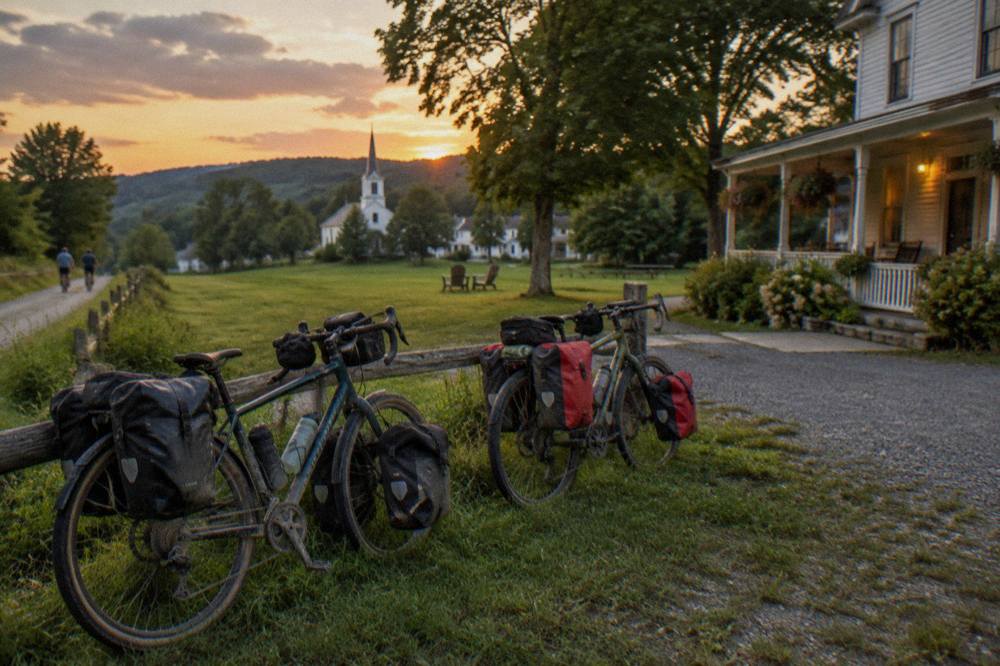
An inn to inn bike tour in Vermont is a supported multi-day trip where you ride between a different small town inn each night, usually a chain of three to seven nights, connected by quiet paved roads, gravel lanes or rail trail, while an operator handles the lodging bookings, the route planning and the luggage transfers, leaving you to pedal each day's leg at your own pace.
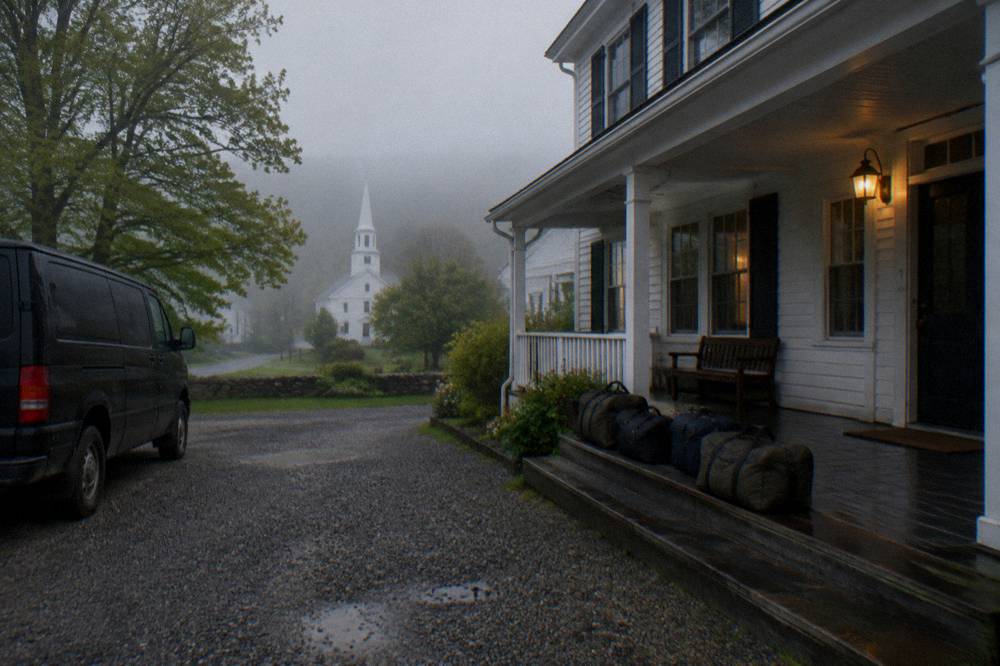
The distinction that matters is support. A self contained tour puts everything on your bike, panniers and all, and an inn to inn tour takes the weight off you entirely. Someone drives your suitcase to the next inn while you carry only a repair kit, water and layers. That single change opens multi-day riding to people who would never tour loaded, and it is the reason the format skews toward couples and riders in their fifties and sixties who want the miles without the hauling.
Vermont rewards the format for a structural reason that rarely gets stated plainly: the towns are close together. A day of riding here can pass through three or four villages, each with an inn, a general store and a place to eat, so operators can build flexible days. Short day, long day, or a bail out option partway through, the geography allows all three. Our guide to guided versus self guided touring breaks down the leadership question; this page sticks to the inn to inn mechanics.
Most Vermont inn to inn tours are designed around roughly 20 to 40 miles of riding per day, though the exact figure varies by operator and route. Days are built to fill a morning and an afternoon of easy to moderate cycling, with most trips offering options to shorten or extend. Because mileage is route specific, ask each operator directly for its typical daily distance and elevation before booking.
What can be stated from the ground truth is the raw material. The Island Line Trail runs about 14.4 miles from the Burlington waterfront toward South Hero, with roughly 8 paved miles of Burlington Greenway and about 5 miles of crushed gravel on the Colchester Causeway. The Lamoille Valley Rail Trail is 95 miles end to end, the longest rail trail in New England, crossing 18 towns between St. Johnsbury and Swanton on grades under 3 percent. The Missisquoi Valley Rail Trail adds 26.4 miles from St. Albans to Richford, joining the LVRT near Sheldon. Kingdom Trails alone lists 213 named routes over 100 plus miles of singletrack.
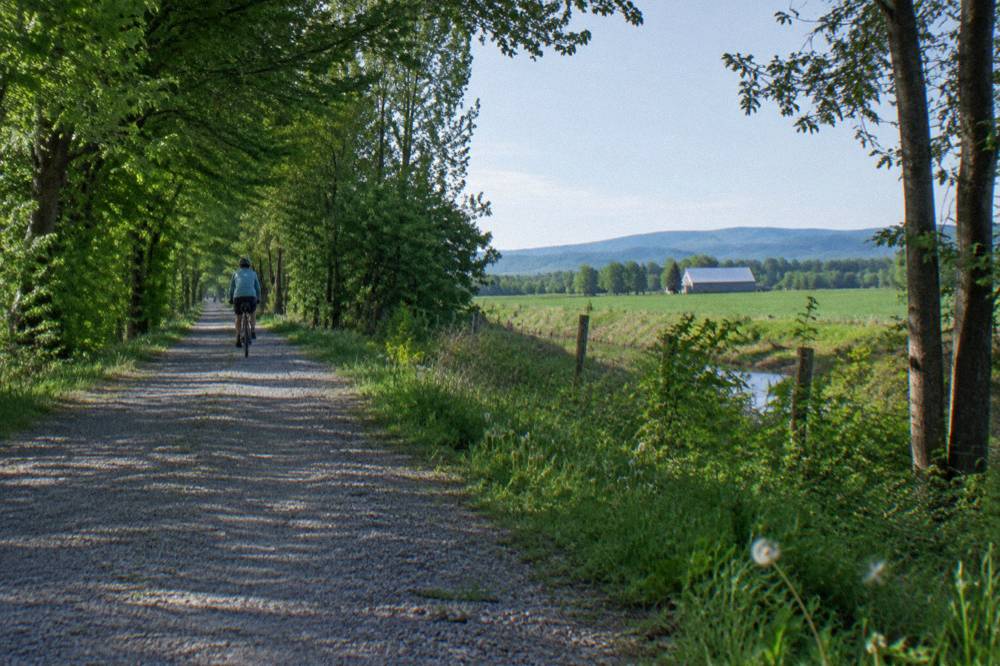
Put those pieces together and the shape of a typical day becomes clear. A Champlain Valley or rail trail day covers ground quickly on flat compacted stone, so the same saddle time that yields a modest mountain day yields a long valley day. A Northeast Kingdom day mixes flowy singletrack with dirt road connectors and moves the mileage needle more slowly. Neither is harder in an absolute sense, they are different currencies, and the table below frames the choice.
| Riding setting | Surface | Pace per hour | Terrain character |
|---|---|---|---|
| Rail trail (LVRT, Island Line) | Paved or compacted crushed stone | Brisk, steady | Flat, grades under 3 percent |
| Champlain Valley roads | Paved, quiet | Moderate | Rolling, open farmland |
| Mountain road riding (Stowe area) | Paved | Moderate to slow | Sustained climbs, long descents |
| Kingdom singletrack | Dirt singletrack | Slow, technical or flowy | Forested, loop based |
E-bikes change the arithmetic again. Class 1 pedal assist bikes are allowed on the Lamoille Valley Rail Trail per the state trail pages, and on most Kingdom Trails per the Kingdom Trails Association, so riders who worry about a hilly day have a legitimate way to flatten it. Ask the operator whether e-bikes are part of its fleet.
The Champlain Valley suits riders who want flat, fast, traffic free days on rail trail and lake shore roads, while the Northeast Kingdom suits riders who want dirt, forest and mountain bike terrain with small town charm. The valley is the forgiving choice for a first multi-day trip; the Kingdom rewards riders who measure a good day in singletrack rather than miles, with Central Vermont's Stowe to Woodstock band sitting between the two on rolling paved roads.
The valley's backbone is the rail trail network described above, plus the Island Line corridor out of Burlington. Riding here is about lakes, orchards and long sightlines, and the trail surface stays rideable for almost any bike. The Local Motion Trailside Center at 1 Steele Street in Burlington sits right on the path and rents conventional, Class 1 e-bike, adaptive and kids bikes, with reservations recommended, useful if your inn to inn trip starts or ends in the city.
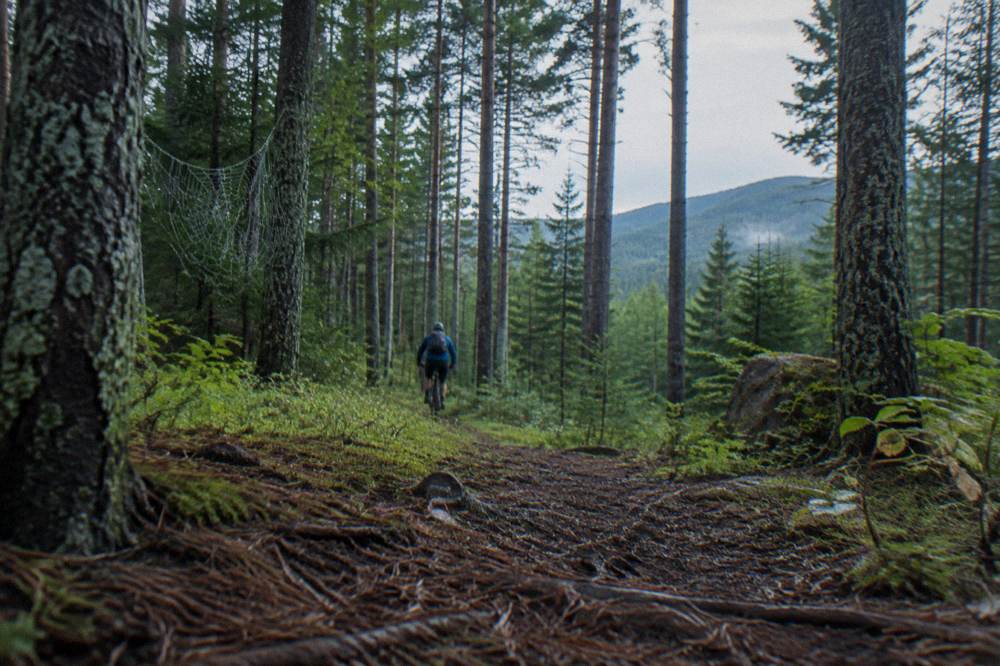
The Kingdom is a different animal. East Burke functions as the hub, with passes bought online through the Kingdom Trails Association store or in person at the Welcome Center on VT Route 114, and rental shops clustered at the trailheads: East Burke Sports, Kingdom Bike Rentals, Village Sport Shop and Rifugio Darling Hill. An inn to inn itinerary in this corner tends to link Lyndonville, Burke and smaller hamlets on a mix of singletrack and dirt roads. Check trail status before a long ride, since the network closes for deer hunting in late autumn before the groomed winter fat bike season opens.
| Region | Best for | Main surfaces | Character of the days |
|---|---|---|---|
| Champlain Valley | Flat days, rail trail miles, lake views | Rail trail, quiet paved | Long, steady, forgiving |
| Northeast Kingdom | Mountain biking, forest, dirt | Singletrack, dirt roads | Loop based, playful, slower miles |
| Central band (Stowe to Woodstock) | Classic Vermont roads and villages | Paved, some gravel | Rolling, climb and descend |
| Southern Vermont (Manchester area) | Road riding from a resort base | Paved | Steady climbs, open ridgelines |
Lodging on these trips is the defining feature, and in Vermont it means small inns, village hotels and lodges rather than chains. Operators contract a mix of historic village inns, farm based lodging and family run motels along the route, chosen for proximity to the evening's town and to dinner. Riders who prefer to arrange their own overnights can book the inns below directly in the towns the main riding areas pass through.
The lodging map follows the riding map closely. In Middlebury, the town at the Trail Around Middlebury loop, the Swift House Inn puts you in walking distance of the village, and the Middlebury Inn sits on the green in the same town. Woodstock anchors the gravel loops and the Mount Tom carriage roads, with village lodging at its center. Stowe offers everything from a budget motel base to resort lodging at Spruce Peak, all within reach of the Recreation Path and the Mountain Road loops. Burlington's waterfront inns sit steps from the bike path. In the Kingdom, an inn 2.3 miles from Kingdom Trails offers bike rentals and a bicycle shuttle, which removes the daily drive to the trailhead entirely.
Middlebury
An inn in Middlebury, the town at the Trail Around Middlebury loop.
Check ratesThe pattern worth knowing: in foliage season, the small village inns fill first, and an operator's room blocks are often the only way into the best houses in late September to mid October. Independent planners booking their own route should lock the lodging before the route, not after. If a night in the Woodstock area is on your list, the Woodstock Inn & Resort in the village center is the classic base for those gravel loops and carriage roads, and southern itineraries based around Manchester road rides can anchor at the Equinox Golf Resort & Spa.
| Riding area | Town to sleep in | Lodging character |
|---|---|---|
| Trail Around Middlebury | Middlebury | Village inns, walkable to dinner |
| Woodstock gravel and carriage roads | Woodstock | Village inn and resort options |
| Stowe path and Mountain Road | Stowe | Motel to resort range in one valley |
| Burlington Greenway and Island Line | Burlington | Waterfront hotels near the path |
| Kingdom Trails | Lyndonville or East Burke area | Inn and lodge bases with shuttle access |
Typical inclusions are lodging each night, breakfast and usually most dinners, luggage transfer between inns, route documentation such as maps or a GPS app, and a support channel during riding hours. Bikes themselves may be included or rented separately depending on the operator. What is almost never included is your travel to the start point, lunches on the road, and alcohol at dinner, and this split matters more than any headline number.
No reliable per person price range can be printed here, because operator pricing is not part of our verified facts and changes with lodging choices and group size. The honest guidance is to ask each operator for its current per person range for the specific itinerary and date window you want, then compare the itineraries on what the price covers rather than on the price alone. A trip that includes dinners at village restaurants and a private van is a different product from one that covers lodging and bags only, even at the same number.
Our page on Vermont bike tour prices walks through the cost structure in more depth. What belongs in this guide is the inclusion grid itself, so you can interrogate any quote line by line.
| Item | Usually included | Sometimes included | Rarely included |
|---|---|---|---|
| Lodging | Yes, every night | Choice of room tier | Single supplement waived |
| Breakfast | Yes | Dinner at local restaurants | Alcoholic drinks |
| Luggage transfer | Yes | Same day courier | Courier while you rest a day |
| Bike rental | Fleet dependent | E-bike upgrade | Personal bike transport |
| Route guidance | Maps or GPS files | Guided group riding | Custom route redesign |
| On ride support | Phone line | Sweeper van | Private mechanic |
Luggage moves by vehicle between inns: you leave your bag at a designated spot by a morning cutoff, ride the day unencumbered, and find it waiting at the next inn before you arrive. Support typically means a phone number staffed during riding hours, and on guided trips a van that can collect a tired rider, while rest days appear as two-night stays that let you ride loops or skip riding entirely.
The morning cutoff is the one discipline the format demands. Bags typically need to be down by breakfast, because the driver's route through five inns is itself a schedule. Miss it and your suitcase spends the night in the wrong village, a story every operator has heard. Riders used to independent touring sometimes chafe at the timetable for a day or two, then convert entirely once they feel the bike without weight.
Support depth separates the products. A self guided inn to inn trip gives you the route, the beds and a help line, and suits confident riders. A guided trip adds a leader, often a sweep rider or van, and a group pace, which suits riders who want company or a safety net on the climbs. Hybrid arrangements exist, and the questions to ask an operator, listed in a table near the end of this guide, are designed to surface exactly these differences.
E-bike logistics deserve one specific question: ask how the battery gets charged mid trip and whether a spare battery rides in the van. On rail trail itineraries this matters less, since Class 1 pedal assist is permitted on the LVRT where bicycles are allowed, per the state rail trail pages, and the flat grades are gentle on the charge. On hillier road routes it matters a lot.
The core season for inn to inn riding runs from late spring through mid October, with late September to mid October the foliage window that books out first. Early summer gives long daylight, green hills and the easiest lodging availability; late summer is warmer and busier on the big roads; October trades shorter days for peak color and cooler riding temperatures. Ridgelines color earlier than valleys by roughly ten days to two weeks.
The foliage calendar drives everything. In a typical year the northern Northeast Kingdom and higher ground peak first, from late September into the first days of October, central Vermont follows in early October, and the southern valleys hold color into mid October. October temperatures average around a high in the mid fifties and a low in the mid thirties Fahrenheit, with sunrise near seven and sunset near six twenty early in the month, so an October itinerary wants a late morning start and a plan to be off the road before the light goes. Our best time to bike in Vermont guide covers the month by month tradeoffs.
Two seasonal cautions come straight from the trail managers. First, check trail status before a long ride, since maintenance and flood repairs run through the season across the state's trail network. Second, the Island Line bike ferry across the Colchester causeway gap runs only late May to mid October, weekends only in fall, so a lake shore itinerary that assumes the crossing needs its dates checked against that window on the operator's own schedule page.
| Period | Riding conditions | Lodging availability | Notes |
|---|---|---|---|
| Late May to June | Cool, green, few bugs on open trail | Easiest of the season | Ferry season begins |
| July to August | Warm, longest daylight | Moderate, book early in towns | Busiest on popular roads |
| Early September | Warm days, quiet roads | Good | Post summer lull |
| Late September to mid October | Cool, peak color | Hardest, book far ahead | Foliage window, short days |
| November | Cold, trails closed for hunting | Easy | Kingdom network closes for the season |
Ask for the typical daily distance and elevation of the exact itinerary, what the price includes night by night, whether bikes and e-bikes are in the fleet, how luggage and support work on paper, what the cancellation terms are, and how flexible the route is if weather or legs change the plan. A confident operator answers all six in writing. Hesitation on any one of them tells you where the trip is thin.
The first question is the mileage one, and it deserves a precise answer, not a range spanning a whole category. The second is the inclusion question from the table above. The third matters if you have not ridden in hills recently. The fourth and fifth are logistics and money. The sixth is the character question: some operators build fixed itineraries, others let you shorten a day or skip a leg in the van, and riders differ sharply on which they prefer.
| Question to ask | What a good answer looks like | Red flag |
|---|---|---|
| Typical daily miles and climbing? | Specific figures for each day of your itinerary | A single vague average |
| What exactly does the price cover? | Night by night breakdown of meals and services | Dinners described as usually included |
| Are e-bikes available? | Yes with fleet details, or a clear no | Maybe, depending |
| How does support work? | Named channel with active hours | Call us if you need us |
| Cancellation terms? | Written policy with deadlines | Verbal reassurance |
| Can a day be shortened? | Yes, with the mechanism explained | The route is the route |
Booking is direct with the operator, never through this site. Vermont Biking Tours publishes research and route guidance, and the operators above, from VBT Bicycling Vacations to the smaller regional outfits, take reservations on their own pages. If you are still weighing whether a guided trip suits you at all, the beginners and seniors guide addresses pace and confidence directly.

An inn to inn tour is better when you want forward motion, a new town each evening and the feeling of a journey, and a single base trip is better when you want to unpack once, ride loops and skip the nightly packing routine. Riders who dislike repacking a bag every morning, or who want rest day flexibility without moving hotels, should choose a base. Riders motivated by progress and variety should choose the inn to inn format.
The honest weakness of inn to inn riding is the suitcase. Every evening you unpack a little, every morning you pack it again, and some travelers tire of that by night four. The compensations are real: dinner in a different village, a sunrise from a different window, and the quiet satisfaction of having pedaled the whole distance between them. Riders on a rail trail itinerary such as the LVRT get the purest version of this, since the 95 mile corridor's 18 towns offer natural overnight stages on flat, car free surface.
The base trip alternative, sleeping in Middlebury or Woodstock or Stowe and riding loops from one bed, trades the journey for depth, and pairs naturally with a lodging base such as the inns named earlier in this guide. For mountain bikers the base model usually wins outright, since Kingdom Trails' loop based network rewards familiarity with the same trailhead cluster across days rather than point to point travel.
Woodstock village
The village base for the Woodstock gravel loops and the Mount Tom carriage roads.
Check ratesWhichever structure you choose, the preparation overlaps: build riding days that match your legs, book foliage season lodging early, carry layers for October mornings, and check trail status before any long day in the saddle. The what to bring guide covers the packing list in full. For a fuller look at clothing, gear and luggage choices, the Vermont bike tour packing guide walks through every item worth carrying.
A supported multi day riding trip where you pedal between towns each day and your luggage travels ahead by vehicle, with a different inn every night. Operators arrange the lodging, route and bag transfers, and you book with the operator directly.
Daily mileage is set by each operator's route design and varies by region, so ask the operator for the typical distance and elevation of your specific itinerary. Rail trail days on flat corridors cover ground faster than hillier road or singletrack days at the same effort.
No. Luggage moves by vehicle between inns, usually left in the lobby by a morning cutoff and waiting at the next inn before you arrive. You carry only riding essentials such as layers, water and a repair kit.
Lodging each night, breakfast, usually most dinners, luggage transfer, route documentation and a support channel during riding hours. Bikes may be included or rented separately. Travel to the start, road lunches and drinks are typically extra.
Late spring through mid October, with late September to mid October the foliage window that books out first. October days are cooler and shorter, so plan late starts carefully, and check the Island Line bike ferry's late May to mid October season if your route crosses the causeway.
Class 1 pedal assist e-bikes are allowed on the Lamoille Valley Rail Trail where bicycles are permitted, and on most Kingdom Trails per the Kingdom Trails Association, though you should check the trail map for exclusions. Ask your operator about e-bike fleet availability and battery logistics.
Before you go, the pick for this guide:
Hotel Vermont
About 0.2 miles from the Burlington Bike Path in the lake-side downtown.
Check rates →