The Wildflower Inn
Lyndonville, 2.3 miles to Kingdom Trails
Offers bike rentals and a bicycle shuttle, and sits 2.3 miles from Kingdom Trails.
Check ratesVermont sorts its riding cleanly by difficulty. Flat paved paths hug the lake in Burlington, a 95 mile rail trail crosses the whole state on crushed stone, quiet backroads roll between farm valleys, and the Northeast Kingdom holds more than a hundred miles of mountain singletrack. This guide matches each level of rider to the right terrain.
Short answer
Beginners should start on the Burlington Greenway or the Stowe Recreation Path, both flat and paved. Intermediate riders get the 95 mile Lamoille Valley Rail Trail and rolling road loops. Strong riders head to Kingdom Trails in East Burke for 100+ miles of mountain singletrack, or to southern Vermont for steep gravel climbs.
Vermont packs an unusual range of riding difficulty into a small state. Riders can spin along a flat lakeside path in the morning, spend a week crossing the state on a crushed stone rail trail, or grind up mountain singletrack that tests skilled legs. The terrain sorts itself into four clear levels: paved greenway paths, rail trails, backroad and gravel routes, and lift-free mountain terrain in the Northeast Kingdom. Matching the level to the rider is the difference between a great bike trip and a long walk. If you want routes matched to how you actually ride, our skill-by-skill guide to Vermont biking picks the right path for every level.
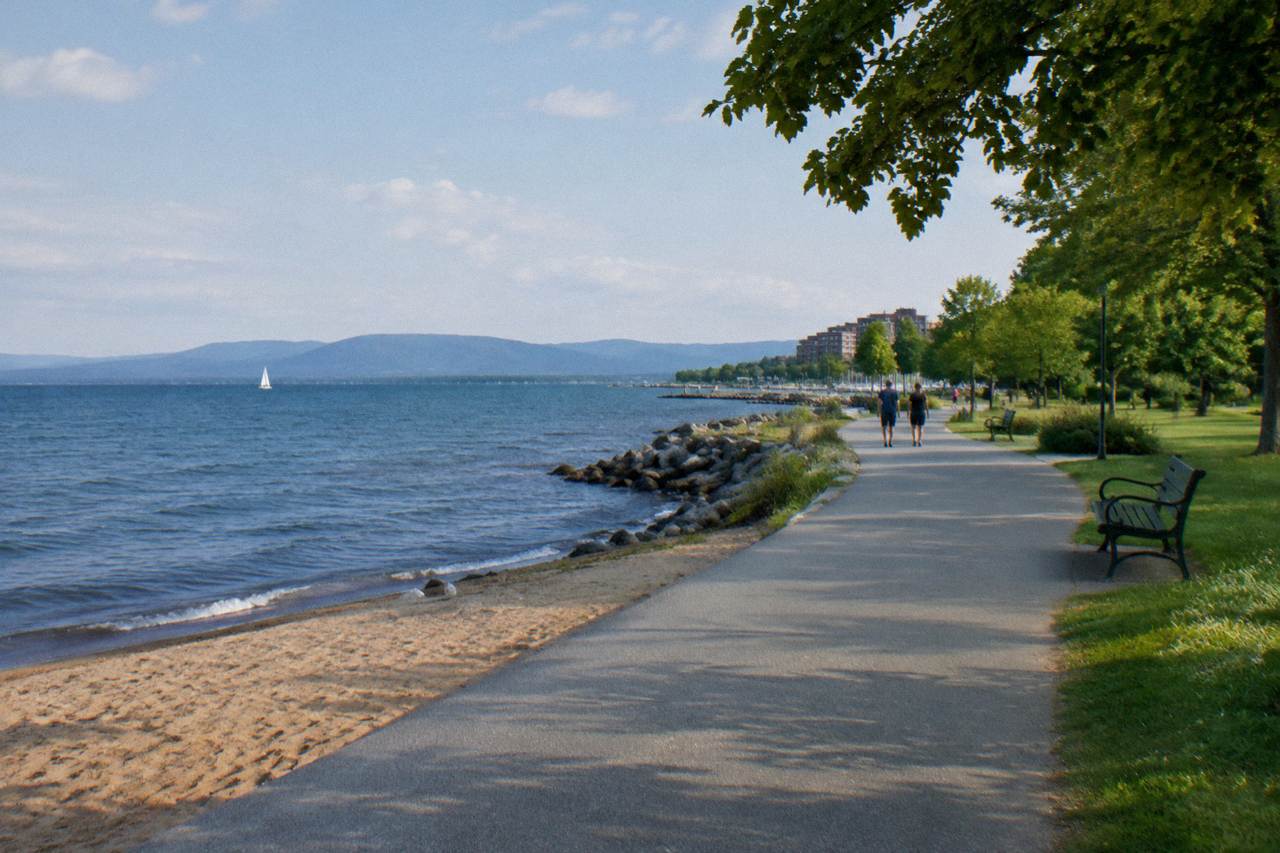
The easiest bike trails in Vermont are the Burlington Greenway along Lake Champlain and the Stowe Recreation Path, both flat, paved and free of car traffic. The Greenway runs about 8 paved miles from downtown Burlington north toward the Colchester Causeway, while the Stowe path traces about 5.3 traffic free miles through town along the river, making both ideal for beginners, families with kids and riders who simply want a relaxed spin.
Burlington is the natural starting point for easy riding. The Greenway sits directly on the waterfront, steps from the bike path access near Waterfront Park, and its pavement continues toward the causeway for riders who want more distance. Local Motion, the nonprofit that runs the Trailside Center at 1 Steele Street, rents conventional, Class 1 pedal assist, adaptive and kids bikes right on the path, and reservations are recommended in the busy months. Riders without a bike of their own can read more in the Burlington bike path guide before arriving.
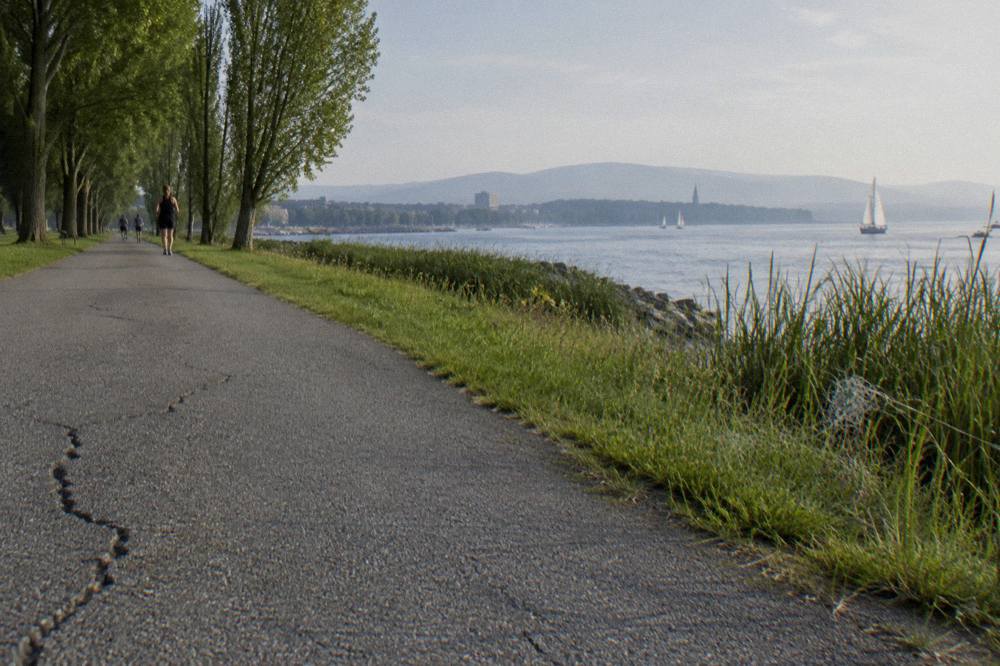
Stowe offers the same easy formula in a mountain village setting. The Stowe Recreation Path stays level and car free, with shops and food close at hand, and it links into quiet village road loops for riders ready to add a little distance. The Stowe Recreation Path and Lamoille County biking guide covers those extensions in detail. Middlebury adds another option at the same difficulty level, where the Trail Around Middlebury loops the town on gentle woodland path. None of these rides demands fitness, technical skill or anything beyond a working bike and a helmet.
Rail trails are Vermont's middle difficulty band, and the Lamoille Valley Rail Trail is the flagship: 95 miles from St. Johnsbury to Swanton on a firm, ten foot wide crushed stone surface with grades under three percent. That combination suits beginners who want distance, intermediate riders building fitness, families towing trailers and anyone on a Class 1 pedal assist e-bike, since e-bikes are allowed on the full trail.
The LVRT crosses 18 towns and is open year round to non motorized use, with snowmobiles permitted only in their own winter season. Its rail bed geometry means no climb ever feels steep, which is exactly why it works as a confidence builder for riders not ready for mountain terrain. The surface is compacted stone rather than pavement, so a wider tire rides more comfortably than a skinny road tire. Riders planning a long point to point effort should check trail status before setting out, since the state trail page posts closures and maintenance updates.
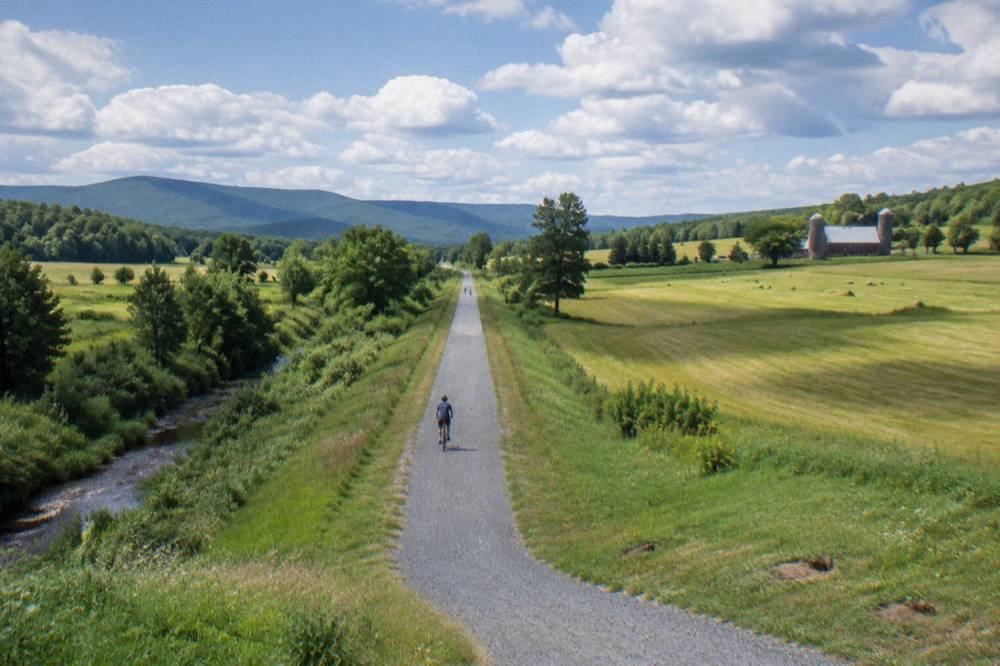
Two other rail trails fill out the band. The Missisquoi Valley Rail Trail runs 26.4 miles from St. Albans to Richford in the northwest corner and connects to the LVRT near Sheldon, which makes a linked multi day ride possible without ever touching a busy road. The Delaware & Hudson Rail Trail adds nearly 20 miles in two sections in the west of the state. The official Vermont rail trails page carries the current surface conditions and rules for each, and the Lamoille Valley Rail Trail biking guide covers trip planning for the big one.
| Rail trail | Distance | Surface | Difficulty fit |
|---|---|---|---|
| Lamoille Valley Rail Trail | 95 miles, St. Johnsbury to Swanton | Compacted crushed stone, under 3 percent grade | Beginner to intermediate, e-bike friendly |
| Missisquoi Valley Rail Trail | 26.4 miles, St. Albans to Richford | Crushed stone | Beginner to intermediate, links to LVRT |
| Delaware & Hudson Rail Trail | About 20 miles in two sections | Compacted stone | Beginner to intermediate |
| Island Line Trail | 14.4 miles, Burlington to South Hero | 8 paved, 5 crushed gravel | Easy, with a causeway segment |
The Island Line deserves its own note here because it straddles the easy and middle bands. The paved Greenway portion is pure beginner terrain, but the Colchester Causeway segment on crushed gravel, running out across the open lake, feels like an adventure while staying almost perfectly flat. The seasonal bike ferry that carries riders across the causeway gap runs roughly late May to mid October on a donation basis, and riders should confirm it is operating before counting on the crossing. The Colchester Causeway and Champlain Islands bike ride guide explains the gap and the crossing.
Intermediate road riding in Vermont means rolling backroad loops through farm valleys and over low passes, typically 20 to 50 miles with steady climbs that never demand racing fitness. Classic bases include the Lamoille County roads around Stowe and Jeffersonville, the valley routes around Middlebury, and the southern loops reachable from Manchester, where traffic thins and the pavement rolls between barns and covered bridges.
Road difficulty in Vermont is about terrain and traffic rather than distance alone. Most secondary roads are narrow with limited or no shoulder, so riders stay as far right as feels safe and pick low traffic roads rather than the numbered scenic corridors that draw leaf season congestion. Midweek riding is noticeably quieter than weekends in the fall. The best time to bike in Vermont guide goes deeper on seasonal traffic patterns.
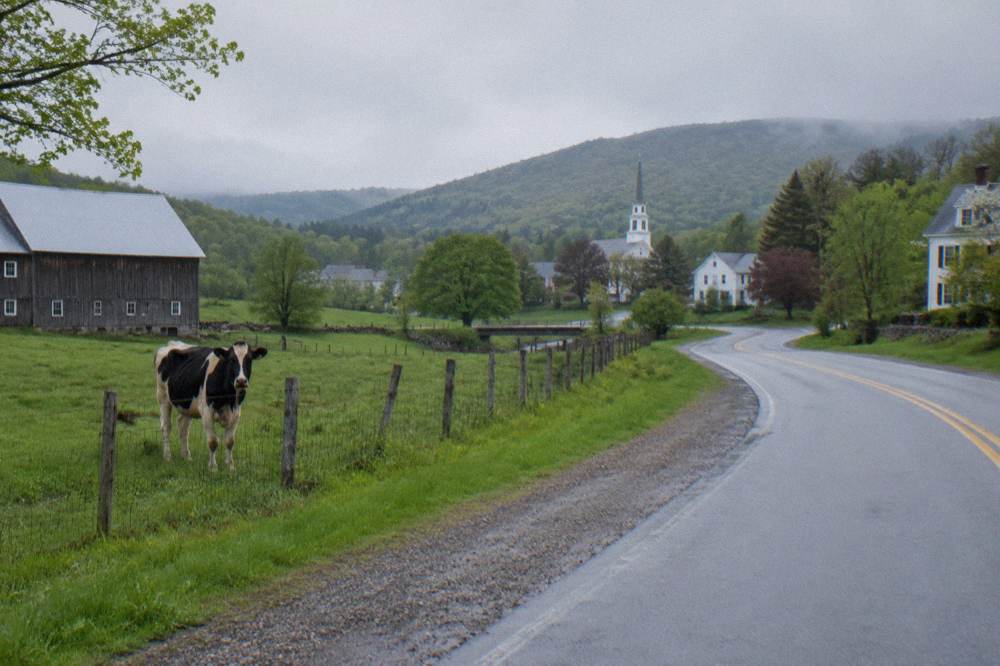
Gravel riding sits between road and mountain in this band, and Vermont has become well known for it. The Woodstock area serves gravel loops and the carriage roads on Mount Tom, all rideable on a road bike with generous tires or any gravel bike. Southern Vermont hosts organized gravel events through the late summer and fall, though riders should check event pages directly for current details. Riders weighing which bike suits which surface can compare options in the road versus gravel versus e-bike guide.

The hardest mountain bike terrain in Vermont concentrates at Kingdom Trails in East Burke, a network of 213 trails totalling more than 100 miles of non motorized singletrack and multi use path in the Northeast Kingdom. The network spans everything from flowing machine built greens to steep technical descents, and it demands real bike handling skill at the upper end, though it also holds some of the most approachable beginner singletrack in the state.
Kingdom Trails runs its summer season from when conditions allow, typically May, through late October, then closes for deer hunting season before a groomed winter fat bike network opens. Passes are required and are bought online through the Kingdom Trails Association store or in person at the Welcome Center on VT Route 114 in East Burke. Riders should check the Kingdom Trails site for current pass prices and the live trail map before traveling, since prices sit on the store page rather than in fixed listings. The Kingdom Trails mountain biking guide covers trail selection by skill level.
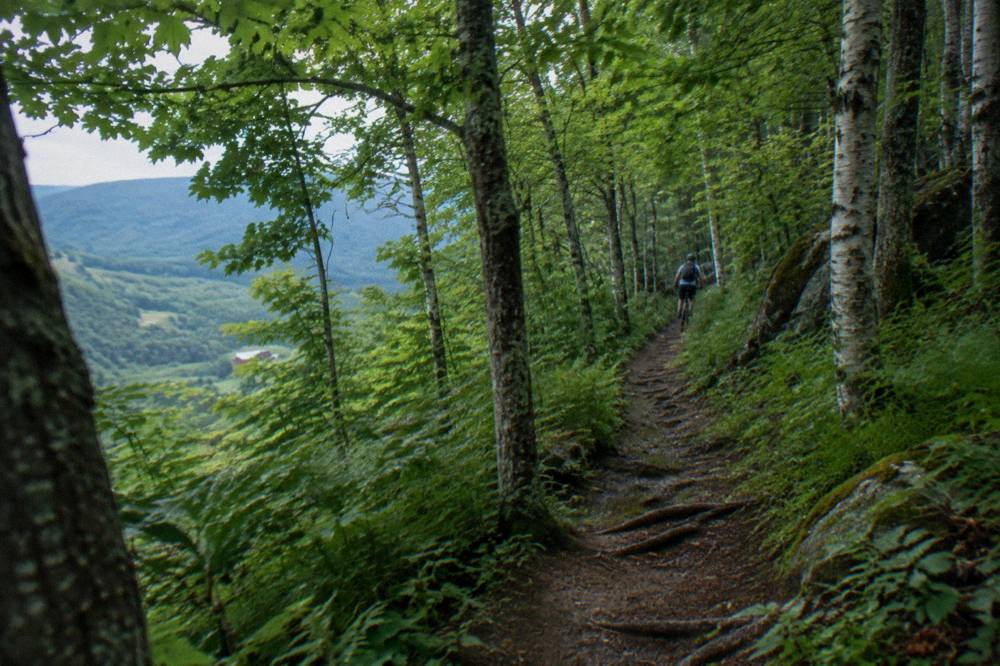
Difficulty inside the network is genuinely graded, which is why East Burke serves hard riders and cautious beginners on the same day. Rental shops cluster at the trailhead: East Burke Sports sits full service right at the network, Kingdom Bike Rentals delivers e mountain bikes, Village Sport Shop serves the Darling Hill area, and Rifugio Darling Hill rents eMTB setups. Rental prices vary, so check directly with the shops. The Kingdom Trails bike rentals and guided rides guide compares the options.
E-bike riders face one real rule here. Class 1 pedal assist e mountain bikes are allowed on most Kingdom Trails per the Kingdom Trails Association, with the trail map marking any landowner exclusions. On state land the rule is tighter: the Vermont Mountain Bike Association publishes the current policy, and e-bikes are prohibited on non motorized natural surface trails in state forests and parks while remaining allowed on roads and multi use paths. The VMBA policy page is the source to check before an e-bike trip.
| Riding area | Terrain type | Difficulty ceiling | Best bike |
|---|---|---|---|
| Burlington Greenway | Flat paved path | Easy | Any bike, including kids bikes |
| Island Line and causeway | Paved plus crushed gravel | Easy to moderate | Hybrid or wider tire bike |
| Lamoille Valley Rail Trail | Crushed stone rail bed | Easy to moderate | Hybrid, gravel or e-bike |
| Lamoille County backroads | Rolling pavement and gravel | Moderate | Road or gravel bike |
| Woodstock gravel loops | Gravel and carriage roads | Moderate | Gravel bike |
| Kingdom Trails, East Burke | Mountain singletrack | Advanced technical | Mountain bike or Class 1 eMTB |
The easiest base for flat path riding is Burlington, where the Greenway and the Island Line sit steps from the downtown waterfront. Stowe pairs the easy Recreation Path with rolling Lamoille County road loops from one base. East Burke and Lyndonville put riders closest to Kingdom Trails, with rental shops and the trail Welcome Center, which matters most on hard riding days when energy is better spent on the climbs than on driving.
In Burlington, Hotel Champlain Burlington sits steps from Waterfront Park and the bike path access, and its listing includes free bicycle rentals, which suits riders who want the easy lakeside miles without hauling a bike. In Stowe, Sun & Ski Inn And Suites works as a base for the Recreation Path and the village road loops, keeping both easy and intermediate rides within a short roll of the room.
Lyndonville, 2.3 miles to Kingdom Trails
Offers bike rentals and a bicycle shuttle, and sits 2.3 miles from Kingdom Trails.
Check ratesNear Burke, The Wildflower Inn in Lyndonville sits 2.3 miles from Kingdom Trails and offers both bike rentals and a bicycle shuttle, a combination that removes the parking scramble at the busy trailhead lots. Riders splitting a week between difficulty levels often pair two or three nights in Burlington for the flat miles with several nights in the Northeast Kingdom for the singletrack, with driving between bases if they plan to string several rides together.
Beginners should know three things about riding in Vermont: rural roads are narrow with little or no shoulder, weather shifts fast between morning chill and midday warmth, and trail status changes with rain, so checking conditions before a long ride is standard practice. None of this is intimidating, it simply shapes planning: pick flat paved paths first, ride midweek where possible, and carry a layer even on warm days.
The progression from easy to hard works best in steps. A rider comfortable on the Burlington Greenway can graduate to the full Island Line out the causeway, then to a rail trail overnight on the LVRT, then to rolling road loops, and only then to beginner singletrack at Kingdom Trails. Helmets are cheap insurance at every level, and water matters more than beginners expect on rail trail stretches where services spread thin between towns. The Vermont bike tours for beginners and seniors guide builds out this ladder in more detail.
Vermont trails change sharply by season: the paved paths and rail trails ride well from spring thaw through late October, foliage season from late September to mid October brings the biggest crowds and the best color, and winter converts Kingdom Trails into a groomed fat bike network with tires wider than 3.5 inches on designated trails only. The bike ferry across the causeway gap runs roughly late May to mid October, which defines the full Island Line riding window.
Fall is the marquee season and the most crowded. Color peaks between late September and mid October, with ridgelines turning one to two weeks ahead of the valleys, so riders chasing foliage should move north and high early in the window and south and low late. October days run cool, with average highs in the mid 50s Fahrenheit and lows in the mid 30s, and daylight shortens enough that a late start can mean finishing in dusk. The Vermont fall foliage peak dates by region guide maps the timing.
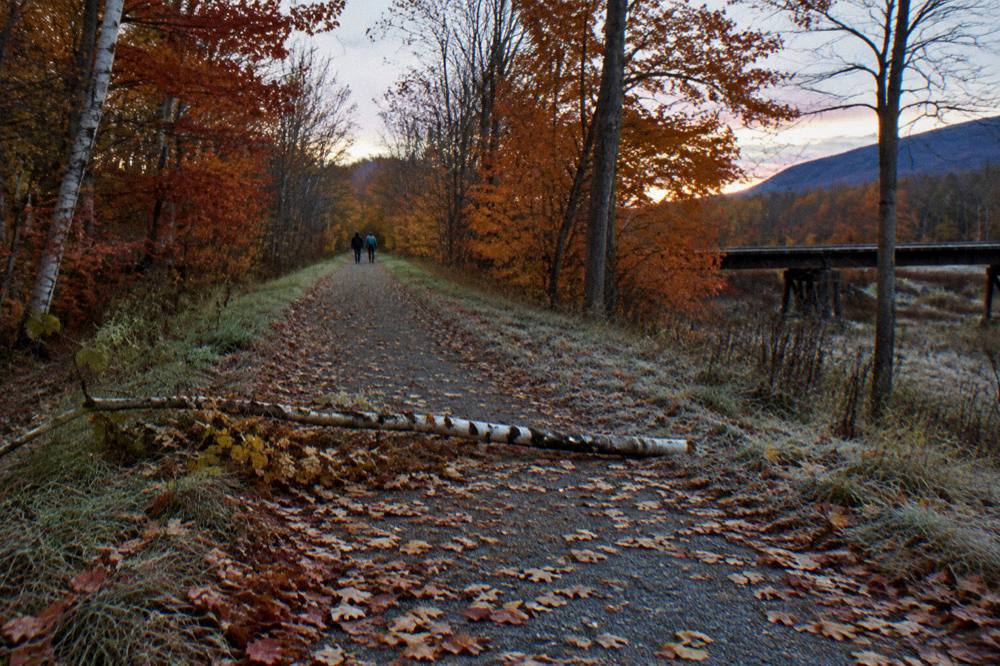
Summer is the flexible season, with all four difficulty bands fully open and the longest days. Spring brings mud, and mountain trails in particular close or restrict riding until they dry, which is why Kingdom Trails opens as conditions allow rather than on a fixed date. Riders booking a hard mountain trip should aim summer or early fall, while easy path riders can stretch their season from the ferry opening in late May to mid October.
| Season | Easy paths | Rail trails | Road and gravel | Mountain terrain |
|---|---|---|---|---|
| Spring | Open after thaw | Open, soft spots possible | Wet and muddy roads | Mud season closures |
| Summer | Full season | Full season | Best riding window | Full network open |
| Fall foliage | Peak crowds, best color | Cool, shorter days | Leaf traffic on numbered roads | Open to about late October |
| Winter | Snow covered | Snowmobile and fat bike use | Limited daylight | Groomed fat bike network at Kingdom |
A first time visitor should choose based on honest fitness rather than ambition: if a rider is comfortable pedaling an hour on flat ground, start with the Burlington Greenway plus the causeway and a rail trail section. Riders with road mileage in their legs should go straight to Lamoille County loops or the Woodstock gravel. Only riders with real mountain bike experience should build a trip around Kingdom Trails, though its green trails welcome cautious beginners.
The mistake first timers make is conflating scenery with difficulty. The most dramatic riding in Vermont, the causeway out over the lake, the Northeast Kingdom forest, is not always the hardest, and some visually quiet farm roads hide the steepest pitches. Reading each area's terrain first, then choosing, beats choosing a photo and hoping. The Vermont bike trails overview for beginners and the difficulty table above do that matching work in one place, and riders who want a structured trip rather than self directed days can compare approaches in the how to choose a Vermont bike tour guide.
Equipment follows the same logic. A bike renter in Burlington needs nothing exotic, while a Kingdom Trails week deserves a proper mountain bike from one of the East Burke shops, and a rail trail tour calls for a hybrid or gravel setup with tires wide enough for crushed stone. This site, Vermont Biking Tours, exists to make those pairings obvious before travel, not after.
Burlington, near Waterfront Park
Steps from Waterfront Park and the bike path access; its listing includes free bicycle rentals.
Check ratesThe Burlington Greenway is the easiest bike trail in Vermont: about 8 miles of flat pavement along the Lake Champlain waterfront with no car traffic, connected to rental bikes at the Local Motion Trailside Center and continuing toward the Colchester Causeway for riders wanting more distance.
Yes. The LVRT runs 95 miles on a firm, ten foot wide crushed stone surface with grades under three percent, which suits beginners who want distance without hills. E-bikes are allowed on the full trail, and the Missisquoi Valley Rail Trail links to it near Sheldon for a longer linked ride.
Not on the right routes. Rail trails and greenway paths are essentially flat, and valley road loops around Middlebury, Woodstock and the Champlain Islands roll gently. The steep climbing concentrates on mountain passes and gravel routes, which casual riders can simply avoid when planning.
No. The network lists 213 trails across more than 100 miles, and its graded system includes flowing beginner friendly greens alongside steep technical descents. Passes are required and bought through the Kingdom Trails Association store or the Welcome Center in East Burke, and current prices sit on the store page.
Generally yes on paths and rail trails: Class 1 pedal assist e-bikes are permitted on the Island Line corridor and the full LVRT. At Kingdom Trails, Class 1 pedal assist e mountain bikes are allowed on most trails per the Kingdom Trails Association, with map marked exclusions. On state land, e-bikes remain prohibited on non motorized natural surface trails.
Summer through mid October covers every difficulty band, with foliage peaking late September to mid October, ridgelines ahead of valleys. The causeway bike ferry runs roughly late May to mid October on a donation basis, and Kingdom Trails closes its summer network around late October before the winter fat bike season. Check trail status before a long ride in any season.
Before you go, the pick for this guide:
Hotel Vermont
About 0.2 miles from the Burlington Bike Path in the lake-side downtown.
Check rates →